
Morocco is one of the most fascinating countries in the world, known for its rich history, vibrant culture, diverse landscapes, and unique blend of African, Arab, Amazigh (Berber), and Mediterranean influences. Located at the crossroads of Europe, Africa, and the Middle East, Morocco offers an experience unlike anywhere else.
So, what is Morocco known for? Why do millions of tourists visit every year? And what makes Morocco so special to foreigners?
This comprehensive guide answers all of that — and more.
1. What Is Morocco Known For – Ancient History
Morocco has a history stretching back over 2,000 years, shaped by Phoenicians, Romans, Amazigh tribes, Arabs, Andalusians and Europeans.
Key historical highlights:
-
Ancient Roman cities like Volubilis
-
Imperial cities: Fez, Marrakech, Rabat, and Meknes
-
Historic dynasties such as the Almoravids, Almohads, Saadians, and Alaouites
-
One of the oldest continuous monarchies in the world
This deep history is visible everywhere — from ancient medinas to mosques, palaces, and city walls.

2. Morocco Is Famous for Its Stunning Architecture
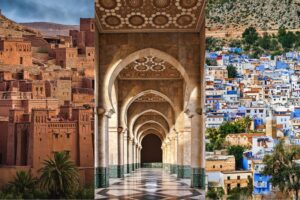
One of the first things tourists notice is Morocco’s distinctive architecture.
Iconic architectural elements:
-
Intricate zellige tilework
-
Hand-carved cedar wood
-
Horseshoe arches and riads
-
Majestic mosques and madrasas
Famous landmarks:
-
Hassan II Mosque (Casablanca) – one of the largest mosques in the world
-
Koutoubia Mosque (Marrakech)
-
Bou Inania Madrasa (Fez)
-
Traditional riads hidden inside medinas
Moroccan architecture reflects centuries of craftsmanship and artistic mastery.

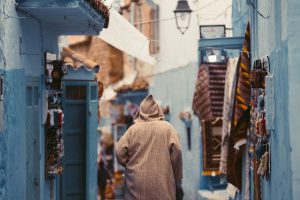
3. Morocco Is Known for Its Colorful and Lively Medinas
Morocco’s medinas (old cities) are UNESCO World Heritage sites and among the most vibrant urban spaces on Earth.
Famous medinas:
-
Fez el-Bali – the world’s largest car-free urban zone
-
Marrakech Medina
-
Essaouira Medina
-
Tetouan Medina
What medinas are known for:
-
Narrow winding streets
-
Traditional souks (markets)
-
Artisans at work
-
Historic homes, mosques, and hammams
For many foreigners, Morocco’s medinas feel like stepping back in time.

4. Morocco Is Famous for Its Unique Culture and Traditions
Morocco’s culture is a blend of Amazigh (Berber), Arab, African, and European influences.
Cultural highlights:
-
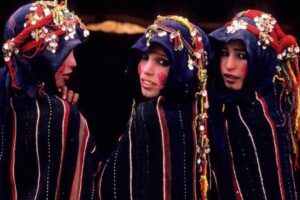
Traditional clothing like djellabas, kaftans, and gandouras
-
Hospitality and tea rituals
-
Family-centered society
-
Religious and cultural festivals
Moroccan culture places great importance on respect, generosity, and community, which tourists often find warm and welcoming.

5. Morocco Is Known for Its World-Famous Cuisine
Moroccan food is consistently ranked among the best cuisines in the world.
Famous Moroccan dishes:
-
Tagine
-
Couscous
-
Pastilla
-
Harira
-
Rfissa
What makes Moroccan cuisine special:
-
Use of spices like saffron, cumin, ginger, and ras el hanout
-
Sweet-and-savory flavor combinations
-
Fresh local ingredients
Mint tea, often called “Moroccan whisky”, is a symbol of hospitality and social life.

6. Morocco Is Known for Its Diverse Landscapes
Few countries offer such geographical diversity in one destination.
Landscapes Morocco is famous for:
-
Sahara Desert (erg Chebbi & erg Chigaga)
-
Atlas Mountains
-
Atlantic and Mediterranean coastlines
-
Green valleys and oases
-
Snowy mountain peaks
Tourists can surf, hike, ski, and ride camels — sometimes all in the same week.

7. Why Is Morocco So Popular as a Tourist Destination?
Morocco is popular because it offers adventure, culture, relaxation, and affordability in one place.
Reasons tourists love Morocco:
-
Close to Europe
-
Relatively affordable
-
Safe and tourist-friendly
-
Visa-free for many nationalities
-
Wide range of accommodations
Whether travelers seek luxury riads, desert tours, beach resorts, or cultural immersion, Morocco delivers.
8. What Do Foreigners Find Special About Morocco?
Foreign visitors often say Morocco feels exotic yet accessible.
What stands out most:
-
Strong sense of identity
-
Traditional lifestyle coexisting with modern life
-
Vibrant street life
-
Deep-rooted spirituality
-
Warm human interactions
Many tourists describe Morocco as intense, colorful, and unforgettable.

9. Morocco Is Known for Producing High-Quality Goods
Morocco is a major producer and exporter of several globally important products.
What Morocco is known for producing:
-
Phosphates (one of the world’s largest reserves)
-
Argan oil
-
Olives and olive oil
-
Citrus fruits
-
Dates
-
Textiles and leather
Traditional crafts:
-
Carpets
-
Pottery
-
Brass and copper work
-
Leather goods from Fez

10. Morocco Is Famous for Its Handicrafts and Artisans
Moroccan craftsmanship is world-renowned and deeply rooted in tradition.
Popular Moroccan handicrafts:
-
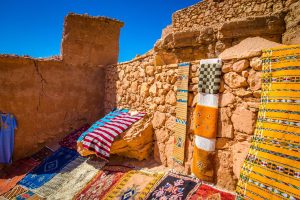
Handwoven rugs
-
Ceramic plates
-
Lanterns
-
Leather bags
-
Wood carving
Many skills are passed down through generations, making each piece unique.
11. Morocco Is Known for Its Festivals and Music
Morocco hosts many international festivals celebrating music, culture, and spirituality.
Famous festivals:
-
Fes Festival of World Sacred Music
-
Marrakech International Film Festival
-
Gnawa World Music Festival (Essaouira)
Traditional music styles include Gnawa, Andalusian, Amazigh, and Chaabi.
12. Morocco Is Known for Its Strategic Location
Morocco sits at a strategic crossroads between Europe, Africa, and the Atlantic world.
-
Only 14 km from Spain
-
Gateway between continents
-
Major trade and logistics hub
This location has shaped Morocco’s history, economy, and cultural diversity.
Conclusion: What Makes Morocco Truly Special?
Morocco is known for far more than one thing. It is famous for its:
-
History and architecture
-
Culture and hospitality
-
Food and craftsmanship
-
Natural beauty and diversity
-
Strategic importance
What makes Morocco truly special is how ancient traditions and modern life coexist, creating a destination that feels timeless yet alive.
Whether you’re a tourist, researcher, or curious reader, Morocco leaves a lasting impression — and keeps calling people back.