
Morocco is one of the most intriguing countries in the world. Sitting at the crossroads of Africa, Europe, and the Middle East, it blends ancient traditions with modern life in ways few places can. From the vast Sahara Desert to snow-capped mountains, from centuries-old medinas to high-speed trains, Morocco is full of contrasts that surprise travelers and researchers alike.
This guide explores deep, lesser-known facts about Morocco, answering common questions while revealing insights that most websites never cover.

Basic Facts About Morocco
-
Official name: Kingdom of Morocco
-
Location: North Africa
-
Capital city: Rabat
-
Largest city: Casablanca
-
Population: Over 37 million people
-
Government: Constitutional monarchy
-
King: King Mohammed VI
Morocco is one of the oldest continuous monarchies in the world, with a royal lineage dating back over 1,200 years.

Geography Facts About Morocco
Morocco’s geography is incredibly diverse, which is one reason it attracts so many visitors.
Major Geographical Features
-
The Sahara Desert covers much of southern Morocco
-
Atlas Mountains divide the country into climate zones
-
Mediterranean coast in the north
-
Atlantic Ocean coastline stretching over 1,800 km
💡 Little-known fact: Morocco is one of the few African countries where you can ski in winter and surf in summer.
Climate Facts
-
Mediterranean climate in the north
-
Desert climate in the south
-
Snowfall in the Atlas Mountains
-
Mild winters and hot summers in most regions

Historical Facts About Morocco
One of the Oldest Nations in the World
Morocco was founded as a state in 789 AD, making it older than many modern countries.
Before Colonial Rule
Before 1956, Morocco experienced:
-
Phoenician trade
-
Roman rule
-
Arab-Islamic expansion
-
Berber dynasties
-
French and Spanish protectorates
Morocco regained independence in 1956.
Unique Fact
Morocco was the first country to recognize the United States in 1777.

Cultural Facts About Morocco
Moroccan culture is a blend of:
-
Amazigh (Berber) heritage
-
Arab traditions
-
African influences
-
Andalusian (Spanish-Islamic) culture
-
French and European touches
This mix makes Moroccan culture incredibly rich and layered.
Hospitality
Hospitality is sacred in Morocco. Guests are traditionally welcomed with:
-
Mint tea
-
Sweets or bread
-
Warm greetings
Refusing tea is often considered impolite.

Language Facts About Morocco
Morocco is one of the most multilingual countries in the world.
Languages Spoken
-
Arabic (official)
-
Amazigh (Berber) (official)
-
Darija (Moroccan Arabic – daily speech)
-
French (business & education)
-
Spanish (north regions)
-
English (growing fast)
💡 Interesting fact: Most Moroccans speak at least two languages, many speak three or more.

Religious Facts About Morocco
-
Islam is the dominant religion
-
Majority follow Sunni Islam
-
Morocco promotes religious tolerance
Morocco has:
-
Ancient mosques
-
Historic synagogues
-
Churches still in use
The King holds the title “Commander of the Faithful”, ensuring religious coexistence.

Food Facts About Morocco
Moroccan cuisine is world-famous and deeply symbolic.
Popular Moroccan Foods
-
Tagine
-
Couscous
-
Pastilla
-
Harira
-
Khobz (bread)
Bread Fact
Bread in Morocco is sacred. Dropping bread on the ground is considered disrespectful.
Spice Culture
Morocco uses over 30 spices, including:
-
Saffron
-
Ras el hanout
-
Cumin
-
Ginger

Facts About Moroccan Cities
Casablanca
-
Economic capital
-
Home to Africa’s largest mosque
-
Modern and business-oriented
Marrakech
-
Known as the “Red City”
-
Famous medina and souks
-
Cultural and tourism hub
Fes
-
Oldest imperial city
-
Home to the world’s oldest university (Al-Qarawiyyin)
Chefchaouen
-
Painted blue
-
One of the most photographed cities in the world

Economic Facts About Morocco
Morocco is classified as a lower-middle-income economy, but it is one of Africa’s most stable.
Key Economic Sectors
-
Agriculture
-
Tourism
-
Automotive manufacturing
-
Phosphate mining
-
Renewable energy
💡 Surprising fact: Morocco is one of the world’s top phosphate producers, controlling over 70% of global reserves.
Technology & Infrastructure Facts
-
Africa’s first high-speed train (Al Boraq)
-
Major solar power plants (Noor Ouarzazate)
-
Growing tech and startup ecosystem
Morocco aims to become a renewable energy leader in Africa.

Facts About the Sahara Desert in Morocco
-
Erg Chebbi and Erg Chigaga are famous dune systems
-
Temperatures can drop below freezing at night
-
Nomadic cultures still exist
Contrary to belief, the Sahara is not just sand—there are mountains, fossils, and oases.

Clothing & Lifestyle Facts
-
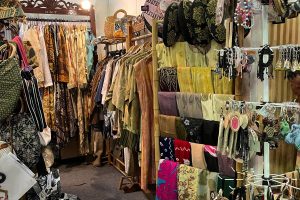
Traditional clothing includes djellabas and kaftans
-
Modest dress is common but not legally required
-
Urban and rural lifestyles differ greatly
Morocco balances tradition with modernity.
Safety Facts About Morocco
-
Considered one of the safest countries in Africa
-
Low violent crime rate
-
Strong tourism police presence
Travelers are advised to use normal precautions.
Fun & Unexpected Facts About Morocco
-
Goats climb trees to eat argan fruits
-
Mint tea is called “Moroccan whiskey”
-
Friday is the holy day
-
Haggling is expected in markets
-
Time perception is flexible (“Inshallah time”)
Why Morocco Is So Unique
Morocco is not fully Arab, African, or European—it is distinctly Moroccan. Its identity is shaped by centuries of trade, migration, faith, and resilience.
Few countries offer:
-
Ancient history + modern infrastructure
-
Desert + ocean + mountains
-
Tradition + innovation

Conclusion: Why These Facts About Morocco Matter
Understanding these facts about Morocco reveals a country far richer and more complex than stereotypes suggest. Morocco is not just a travel destination—it is a civilization with deep roots, evolving ambitions, and a powerful cultural identity.
Whether you’re a traveler, student, researcher, or simply curious, Morocco offers endless layers to explore.