
If you’re planning a trip and researching travel health requirements, one of the most common questions is: Is there malaria in Morocco? Many travelers also ask: Do you need malaria tablets for Morocco? and What vaccines are required for Morocco?
Understanding the Morocco malaria risk and recommended vaccinations will help you travel safely and confidently. In this complete guide, we’ll cover everything you need to know about malaria in Morocco, vaccination requirements, travel health advice, and safety tips.
Is There Malaria in Morocco?
The short answer is:
👉 No, there is currently no malaria risk in Morocco.
According to international health authorities, Morocco has eliminated malaria transmission. Local transmission of malaria was officially eradicated years ago, and the country is considered malaria-free for travelers.
This means:
-
There is no ongoing malaria transmission.
-
Tourists are not at risk of contracting malaria within Morocco.
-
Routine malaria prevention medication is not required.
So if you’re wondering, “Is there malaria in Morocco?” — the answer is reassuring: Morocco is not a malaria-risk country.
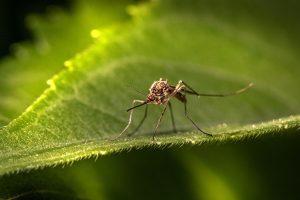
Morocco Malaria Risk: Historical Background
In the past, certain rural areas of Morocco experienced limited malaria cases. However, due to strong public health campaigns, mosquito control programs, and improved healthcare systems, malaria has been successfully eliminated.
Today:
-
No endemic malaria zones exist in Morocco.
-
No malaria tablets are recommended for travelers.
-
Major cities and rural areas are considered safe regarding malaria.
This makes Morocco a low-risk destination compared to other parts of Africa.
Do You Need Malaria Tablets for Morocco?
Another common question is:
Do you need malaria tablets for Morocco?
The answer is:
👉 No, malaria tablets are not required or recommended for travel to Morocco.
Health authorities do not advise preventive malaria medication because there is no active malaria transmission.
Taking malaria tablets unnecessarily can cause side effects, so it is important to follow official medical guidance rather than outdated information.
However, mosquito bite prevention is still recommended for general comfort and protection against other minor insect-borne illnesses.

Required Vaccines for Morocco
Many travelers also ask: What vaccines are required for Morocco?
The good news is:
👉 There are no mandatory vaccines required for entry into Morocco for most travelers.
However, several vaccines are recommended to ensure safe travel.
Recommended Vaccines for Morocco
Before traveling, doctors may recommend:
1. Routine Vaccines
Ensure you are up to date on:
-
Measles, Mumps, Rubella (MMR)
-
Tetanus
-
Diphtheria
-
Polio
-
Influenza
2. Hepatitis A
Recommended because it can be contracted through contaminated food or water.
3. Hepatitis B
Recommended for:
-
Long stays
-
Medical procedures
-
Close contact with locals
4. Typhoid
Sometimes recommended for:
-
Travelers eating street food frequently
-
Visiting rural areas
5. Rabies (Optional)
Only recommended for:
-
Long-term travelers
-
People working with animals
-
Remote rural stays
Always consult your doctor or travel clinic before departure.
Morocco Travel Health Advice
Even though Morocco malaria risk is zero, travelers should still follow basic health precautions.
Food and Water Safety
While Morocco has improved sanitation, travelers may experience minor stomach issues if not careful.
Tips:
-
Drink bottled water
-
Avoid ice unless in reputable hotels
-
Eat freshly cooked meals
-
Avoid raw or undercooked meats
-
Wash fruits and vegetables thoroughly
Traveler’s diarrhea is more common than any mosquito-related illness.
Mosquito Protection in Morocco
Although malaria is not present, mosquitoes exist in some regions, particularly:
-
Coastal areas
-
Rural zones
-
Summer months
To avoid mosquito bites:
-
Use insect repellent
-
Wear long sleeves at night
-
Stay in accommodations with air conditioning or screens
-
Use mosquito spray if necessary
Is Morocco Safe for Tourists Health-Wise?
Morocco is generally considered a safe travel destination from a health perspective.
There are:
-
No malaria zones
-
No yellow fever requirement (unless arriving from an infected country)
-
No widespread tropical disease concerns
Healthcare services in major cities like Marrakech, Casablanca, and Rabat are reliable, especially in private clinics.

Yellow Fever and Morocco
Travelers often confuse African destinations with yellow fever zones.
Important:
👉 Morocco does NOT have yellow fever.
However, if you are arriving from a country where yellow fever is present, you may be asked to show proof of vaccination.
For most travelers coming from Europe, North America, or Asia, no yellow fever vaccine is required.
Health Risks in Rural Areas of Morocco
Even in rural areas such as:
-
Remote villages
There is no malaria risk.
However, travelers should:
-
Stay hydrated
-
Protect against sun exposure
-
Carry travel insurance
-
Bring basic medications
If joining desert tours, ensure your tour company prioritizes safety.
Climate and Seasonal Health Considerations
Morocco’s climate varies by region.
Summer temperatures can exceed 40°C (104°F) in desert areas.
Health tips:
-
Drink plenty of water
-
Avoid midday sun
-
Wear sunscreen
-
Use hats and sunglasses
Heat exhaustion is more common than infectious diseases.

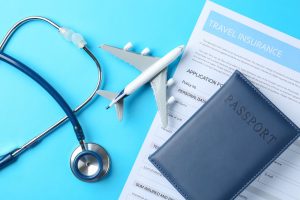
Travel Insurance for Morocco
Even though Morocco malaria risk is zero, travel insurance is highly recommended.
It should cover:
-
Medical emergencies
-
Hospital treatment
-
Prescription medication
-
Evacuation if necessary
Private healthcare in Morocco requires upfront payment.
Common Health Issues in Morocco
While malaria is not a concern, travelers may experience:
-
Traveler’s diarrhea
-
Dehydration
-
Sunburn
-
Minor injuries
-
Mild respiratory infections
These are manageable with basic precautions.

Healthcare in Morocco for Tourists
Major cities offer:
-
Modern private hospitals
-
English-speaking doctors
-
Good pharmacy access
Pharmacies are widely available and well stocked.
Many medications are accessible without prescription.
Should You Be Worried About Malaria in Morocco?
No.
To summarize:
✔ Morocco is malaria-free
✔ No malaria tablets required
✔ No endemic malaria transmission
✔ Safe for families and children
✔ No special mosquito-borne disease concerns
Travelers can confidently visit Morocco without malaria anxiety.
Frequently Asked Questions About Morocco Malaria Risk
Is there malaria in Morocco?
No, Morocco remains malaria-free with no local transmission.
Do you need malaria tablets for Morocco?
No, malaria prevention medication is not necessary.
What vaccines are required for Morocco?
No mandatory vaccines are required for most travelers. Routine vaccines and Hepatitis A are commonly recommended.
Is Morocco safe for travel health?
Yes, with basic precautions regarding food, water, and sun exposure.

Final Verdict: Morocco Malaria Risk & Travel Health Summary
If you’re planning your Moroccan adventure and worried about malaria, you can relax.
Morocco has successfully eliminated malaria and is considered a low-risk destination for tropical diseases.
You do NOT need:
-
Malaria tablets
-
Special mosquito medication
-
Yellow fever vaccine (unless arriving from a risk country)
However, it is wise to:
-
Update routine vaccines
-
Consider Hepatitis A
-
Purchase travel insurance
-
Practice basic food and water safety
Morocco remains one of the safest and most accessible travel destinations in North Africa from a health perspective.
With no malaria risk, excellent private healthcare options, and recommended (not mandatory) vaccines, travelers can focus on enjoying the vibrant culture, historic cities, and breathtaking landscapes of Morocco.
Safe travels and enjoy your journey!