
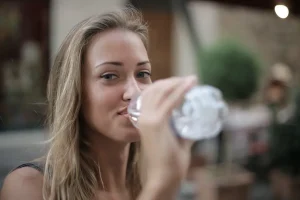
Is Tap Water safe to drink in Morocco
Tourist Safe Drinking Water in Morocco
If you’re a visitor in Morocco, your health and safety should be a top priority, and having access to clean water is an important part of that. Tourists should nevertheless exercise care when it comes to drinking the water in Morocco, despite the country’s vast improvements to its water system. This article will cover the many methods, such as bottled water, filters, and other choices, for getting potable water in Morocco. If you follow these precautions, you won’t have to worry about becoming sick from the water in Morocco.
The Value of Clean Water for Human Consumption:
Safe drinking water is one of the most important factors to consider while travelling to ensure optimum health. Whether you’re in a busy metropolis or heading out into the wilderness, drinking clean water is essential for staying healthy and hydrated. The necessity of having access to clean water while on the road is highlighted here.
1. Preventing Waterborne Diseases Harmful bacteria, viruses, and parasites may thrive in contaminated water, leading to a variety of waterborne illnesses. Diarrhoea, cholera, typhoid fever, and hepatitis A are all examples of such conditions. You may greatly lower your chances of becoming sick when travelling if you stick to bottled water.
The importance of being hydrated cannot be overstated, especially while experiencing the stresses of travel. Fatigue, headaches, and dizziness are just some of the symptoms of dehydration, which may severely dampen your vacation enjoyment. Having access to clean water is essential for staying healthy and energetic when travelling to unfamiliar places.
Third, adjust to water availability in the area you’re visiting; this is particularly important when travelling overseas. You should not automatically assume that the tap water in every country including Morocco is safe to drink. You may reduce your exposure to potential health hazards associated with drinking water that contains pollutants or impurities by exercising caution and selecting safe drinking water.
4. Preventing Traveler’s Diarrhea: Consuming tainted food or water is a leading cause of traveller’s diarrhea, one of the most prevalent travel-related illnesses. This disorder may cause distress, gastrointestinal problems, and trip cancellations. Protect yourself against the discomfort of traveller’s diarrhea by stocking up on clean water before you go.
Fifth, take precautions to safeguard your immune system against foreign diseases and germs to which it may be exposed on its travels. When you reduce your exposure to potentially dangerous germs by drinking clean water, you boost your immune system. Your body will be free to concentrate on changing to new surroundings as you have fun on your trip.
Is It Safe to Drink Tap Water in Morocco?
in response to this inquiry if it is safe to drink tap water in Morocco, In certain parts of Morocco, the tap water may not be safe to drink. Tourists should not drink tap water in Morocco, despite attempts to enhance the infrastructure and quality of the water supply. Some things to think about are as follows:
The infrastructure and facilities for treating water in Morocco have been the subject of ongoing improvement. However, water infrastructure may not be up to par in certain places, particularly in rural or distant locations. The possibility of contamination increases as a consequence of this.
It’s possible to become sick by drinking tap water in Morocco due to pollutants, germs, and toxins. Travellers should use care since local water sources and treatment methods may differ from those they are used to.
Because their immune systems have adapted to the water sources and bacteria strains found in Morocco, locals may often drink the water straight from the tap without any ill effects. But your immune system may not be as well adapted as a local, rendering you more vulnerable to illnesses spread by water.
Tap water poses health risks, including the spread of diseases including cholera, typhoid, and hepatitis A. These might have a significant impact on your trip and force you to make adjustments.
Avoid tap water in Morocco if you care about your health and safety. Instead, think about these other options:
First, bottled water from trusted brands may be purchased commercially. Verify the freshness by checking the expiry date and opening the bottles to make sure the seals are unbroken.
Second, filtered or purified water is available in many Moroccan hotels, guesthouses, and eateries. Make sure your lodging has filtered water or bring along your water filter.
If you are in an area without access to clean drinking water such as bottled or filtered water, you may eliminate most hazardous bacteria and parasites by boiling tap water for one minute. Wait for the water to cool down before drinking it or storing it in a clean, sealed container.
Despite the government’s best attempts to upgrade the country’s water system, it’s still not recommended that visitors consume the water straight from the faucet. If you’re concerned about your health in Morocco, it’s best to stick to safer options like bottled water, filtered water, or water that has been cooked.
How to Keep Your Drinking Water Pure:
Moroccan water in plastic bottles
Safe drinking water might be difficult in Morocco, although bottled water is readily accessible and inexpensive. The country’s bottled water business is well-established, so visitors won’t have to worry about finding clean water to drink. Important details regarding buying bottled water in Morocco are as follows:
Accessibility: Bottled water may be found in any size grocery shop or corner store in Morocco. There are many different brands and sizes to choose from. Oulmes, Sidi Ali, and Bahia are three of the most well-known bottled water brands in the country of Morocco.
Integrity and security:
The Moroccan Ministry of Health oversees the bottled water sector to guarantee that all products are up to code in terms of cleanliness and purity. To guarantee that bottled water is safe to drink, it is subjected to a battery of tests and inspections. To verify that the bottled water you buy is fresh, check the expiry date and make sure the seals are not broken.
Convenience:
Water in bottles is convenient for travellers since it can be carried about easily. A bottle is easy to pack and can be refilled on the go. Bottled water is available for purchase at many establishments, and some even provide free bottles to customers.
Factors in the Natural World:
The environmental effect of bottled water should be considered despite its practicality. Morocco is not immune to the worldwide problem of plastic trash. When feasible, use reusable water bottles and fill them with filtered water to cut down on plastic use.
Possible Substitutes:
Safe drinking water is available in Morocco in the form of both bottled water and filtered water. Water purification systems are standard in many lodging establishments and dining establishments. Make sure your lodging has filtered water or bring along your water filter.
Safe drinking water might be difficult in Morocco, but bottled water is a convenient and trustworthy alternative. If you want to eat fresh food, you should only buy name brands, check the seals, and throw away anything that has passed its expiry date. While it may be more convenient to purchase bottled water, it is important to be aware of the environmental effect of this practice and to choose sustainable alternatives wherever feasible, such as filtering tap water or using reusable water bottles.
Advice on buying and drinking bottled water:
One, only purchases bottled water from reputed stores, supermarkets, or restaurants in Morocco. You shouldn’t buy water from random people on the street or unauthorized sources since you never know whether it’s been properly packaged or where it came from.
Before buying bottled water, be sure the seal has not been broken and that it is within its expiration date. Also, make sure the water is still inside its safe-to-drink window by looking at the label’s expiry date.
Third, buy only water from well-recognized and respected companies who bottle it. Oulmes, Sidi Ali, and Sidi Harazem are all well-known labels in the Kingdom of Morocco. These labels are well recognized as those that consistently provide potable water.
Think About the Bottle SizeThink about the size of the bottled water you buy about your demands and your trip plans. Longer travels may benefit financially and logistically from larger bottles, while shorter excursions can make use of smaller bottles.
Pack a water bottle to ensure you have something to drink during the day while you travel across Morocco. Don’t open the bottle until you’re ready to drink it.
After you’ve finished your bottled water, it’s important to recycle or throw off the empty bottles in an appropriate manner. The harmful effects of plastic trash on the environment are therefore reduced.
You may be able to fill your refillable water bottle with clean water at stations located in popular tourist destinations around Morocco, which brings us to our seventh piece of advice. Accessing clean water in this manner may be both economically and ecologically beneficial.
While bottled water is typically safe to drink, you should use caution with ice and other liquids. Ice may be created from tap water, which could not be safe to drink. Choose drinks produced with bottled water or inquire about the source of the water used to make your drink.
If you follow these guidelines, you won’t have to worry about becoming sick from the water in Morocco. Putting your health and safety first by selecting trustworthy sources and being aware of the quality of the water you drink can help to ensure a relaxing and enjoyable trip.
Advice on obtaining and using purified water
1. Find out whether your lodging offers filtered or purified water by inquiring about it when you make your reservation. Water dispensers and in-room filtration systems are common ways for hotels to provide this amenity to their guests. Accessing clean water in this manner may be both economically and ecologically beneficial.
Consider bringing a portable water filter if you want to go to isolated or rural locations where clean drinking water is scarce. These filters are designed to purify water from untreated sources, eliminating harmful bacteria, parasites, and other particles. Try to choose filters that are lightweight and compact enough to take with you on the road.
4th: Boiling Water
Water purification by boiling is a time-tested practice that works well. To eliminate hazardous germs and parasites, boil tap water in Morocco for at least one minute if you have access to a kitchen or lodging with cooking facilities. Cool the water to room temperature before drinking or storing it in a sterilized, airtight container.
How to Boil Tap Water in Morocco:
1. Boil the Water Using a Stove or Electric Kettle: Water may be boiled using any cooking appliance that can bring water to a rolling boil. Make sure the water boils for at least one minute after being placed on the stove.
After it has boiled, the water should be cooled to a safe drinking temperature. To use at a later time, just boil some water and transfer it to an airtight container.
Safe drinking water in Morocco may also be obtained via the use of filtration systems. Numerous hotels and inns
Safe drinking water may also be obtained via the use of filtration systems in Morocco. Numerous hotels and inns