
Moroccan rugs are more than home décor—they’re pieces of living history woven by generations of Amazigh (Berber of Morocco) women across the Atlas Mountains. From Marrakech’s bustling souks to remote villages perched at 2,000 meters, every rug tells a story through symbols, colors, and materials. Today, Moroccan rugs have become globally iconic, appearing in luxury hotels, designer homes, and interior magazines around the world.
But the world of Moroccan rugs is complex. With rising demand, mass-produced copies, misleading marketing, and even harmful chemicals have entered the market. Whether you’re shopping in Marrakech, browsing Moroccan rugs online, or visiting artisan cooperatives, understanding what makes a rug truly authentic is essential.
This guide reveals everything no one tells you—the hidden dangers, real pricing, how to identify genuine craftsmanship, and why these rugs remain Morocco’s most treasured art form.
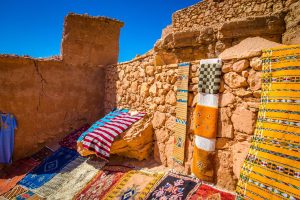
What Makes Traditional Moroccan Rugs So Special?
Traditional Moroccan rugs are handmade using techniques that date back more than 2,000 years. Each tribe developed its own patterns, colors, and weaving styles:
● Beni Ourain Rugs
– Made in the Middle Atlas
– Famous cream wool + black geometric lines
– Symbolic motifs of fertility, family, and protection
● Azilal Rugs
– Known for bold colors and abstract designs
– Often hang on walls like artwork
– Made from a mix of wool and recycled textiles
● Boucherouite Rugs
– Eco-friendly rugs made from leftover fabrics
– Traditionally used by rural families with limited wool
– Today highly valued by collectors for their unique look
● Taznakht Rugs
– Rich saffron-orange and deep red colors
– Known for durability and tribal symbolism
● Kilim Rugs (Hanbels)
– Flat-woven
– Lightweight, easy to fold, and often used as blankets
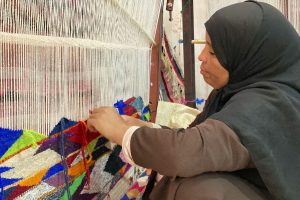
Each rug is a personal story, often representing marriage, womanhood, protection from spirits, and the connection between earth and sky.
The Hidden Dangers of Moroccan Rugs (What Nobody Tells You)
Most blogs never mention this, but shoppers must be careful. As demand grew, so did shortcuts. Here are the real hidden dangers:
1. Chemical-Dyed Rugs Sold as “Natural”
Many sellers claim rugs are dyed with saffron, henna, or indigo.
In reality, some markets use synthetic chemical dyes that can:
✔ Fade quickly
✔ Smell like kerosene
✔ Trigger allergies
Always ask: “Is this natural dye or synthetic?”
And always test by rubbing with a damp cloth—cheap dyes bleed.
2. Machine-Made Rugs Sold as Handmade
Some rugs in Marrakech and online are:
– Mass-produced
– Created on machines
– Imported from Turkey or Asia
But they’re sold at “handmade Berber rug” prices.
Signs a rug is fake:
✔ Perfectly symmetrical knots
✔ No irregularities
✔ Synthetic shine
✔ Very cheap prices
3. Fake “Vintage” Rugs
A real vintage Moroccan rug is hard to find.
Some sellers:
– Wash rugs with acid to age them
– Leave them in the sun for weeks
– Use color bleaching to create worn patterns
If a seller offers “vintage” for a very low price—it’s staged aging.
4. Rugs Treated With Toxic Products
Some rugs are washed with:
– Harsh detergents
– Chemical brighteners
– Mothproofing chemicals
Always smell the rug. If the odor is sharp, chemical, or artificial—avoid it.
5. Overpriced Rugs Targeting Tourists
In some Marrakech shops, the first price can be 5–10x higher than the real value.
Knowing typical prices helps avoid overpaying.
Moroccan Rugs Prices: What to Expect (Realistic Price Guide)

Prices depend on:
– Material (wool, cotton, fabric scraps)
– Size
– Age
– Tribe
– Quality of weaving
– Hours of labor
Here is a realistic breakdown:
● Small Rugs (60×100 cm)
300–1,200 MAD
($30–$120)
● Medium Rugs (120×180 cm)
1,000–4,000 MAD
($100–$400)
● Large Rugs (200×300 cm)
3,500–12,000 MAD
($350–$1,200)
● Luxury / Rare Rugs (Tribal, natural dyes, museum-level)
10,000–60,000+ MAD
($1,000–$6,000+)
Why Prices Vary So Much
A handwoven rug can take 100–400 hours of work.
Cheap rugs can be machine-made in minutes.
That’s the biggest price difference.
Where to Buy Moroccan Rugs in Marrakech (Safely)
Marrakech is one of the best cities to buy authentic rugs—but only if you know where to go.
● 1. Souk Semmarine (Medina)
Tons of choices, but pricing fluctuates.
Great if you are ready to negotiate.
● 2. Ensemble Artisanal
Government-supervised prices.
Authentic quality with no bargaining needed.
● 3. Rug Cooperatives (near Atlas Mountains)
The best place for real handmade rugs.
Money goes directly to the artisans.
● 4. Moroccan Rugs Online (Reputable Sellers Only)
Look for:
✔ Free authentication
✔ Fair-trade sourcing
✔ Natural dyes
✔ Photos of the weaving process
Avoid shops that:
– Hide the back of the rug
– Sell “new-looking vintage”
– Have very low prices

Discover More:
- The Ultimate Guide to Markets in Marrakech
- What Language Is Spoken in Marrakech? A Complete Traveler’s Guide
- Yves Saint Laurent Museum in Marrakech: A Complete Traveler’s Guide
- Photo Spots in Marrakech: The Most Instagrammable Places in Morocco
- Things to Do in Marrakech During Ramadan
- 10 Exciting Things to Do in Marrakech Nightlife
- Top 10 Things to Do in Marrakech with Family
How to Tell If a Moroccan Rug Is Authentic (Expert Tips)
1. Flip the Rug
A real handmade rug shows:
– Uneven knots
– Imperfections
– Irregular patterns
2. Check the Wool
Authentic wool is:
– Soft
– Warm
– Slightly oily (lanolin)
Synthetic wool feels plastic-like.
3. Look at the Fringe
Real fringe = part of the rug’s structure
Fake fringe = sewn onto the rug afterward
4. Ask Where It Was Woven
Real sellers know the rug’s exact origin:
– Tribe
– Village
– Region in the Atlas Mountains
The Cultural Meaning Behind Moroccan Rug Symbols
Traditional Moroccan rugs use symbols representing:
● Fertility
Diamonds
Triangles
X-shapes
● Protection
Eyes
Crosses
Guarding lines
● Nature
Mountains
Rivers
Stars
The language of symbols is a form of storytelling passed from mother to daughter for centuries.

Moroccan Rugs Online: How to Shop Safely
If you buy online, always check:
✔ High-resolution photos
✔ Close-ups of knots
✔ Back of the rug
✔ Detailed dimensions
✔ Wool type
✔ Dye type
✔ Return policy
Reputable sellers also offer:
– Video confirmation
– Weaving certificates
– Origin verification
Never buy rugs online from sellers who refuse to show the back of the rug.
Are Moroccan Rugs Worth It? (The Truth)
Yes—if you buy authentic ones.
You’re not just purchasing home décor.
You’re investing in:
✔ Cultural heritage
✔ Natural materials
✔ Handmade craftsmanship
✔ Timeless design
✔ A piece of Moroccan history
Authentic rugs last 30–70 years or longer.
Machine-made rugs last 3–7 years.
Conclusion: Moroccan Rugs Are Living Art
Moroccan rugs—especially those found in Marrakech—represent centuries of weaving tradition, Amazigh identity, and artistic expression. But modern demand has created new risks: chemical dyes, fake vintage rugs, machine manufacturing, and inflated prices.
Understanding what makes a rug authentically Moroccan protects you as a buyer and supports the artisans who preserve this ancient craft.
Whether you buy from cooperatives in the Atlas Mountains, reputable Marrakech shops, or trusted Moroccan rugs online stores, you’re taking home a piece of Morocco that carries meaning, history, and beauty.